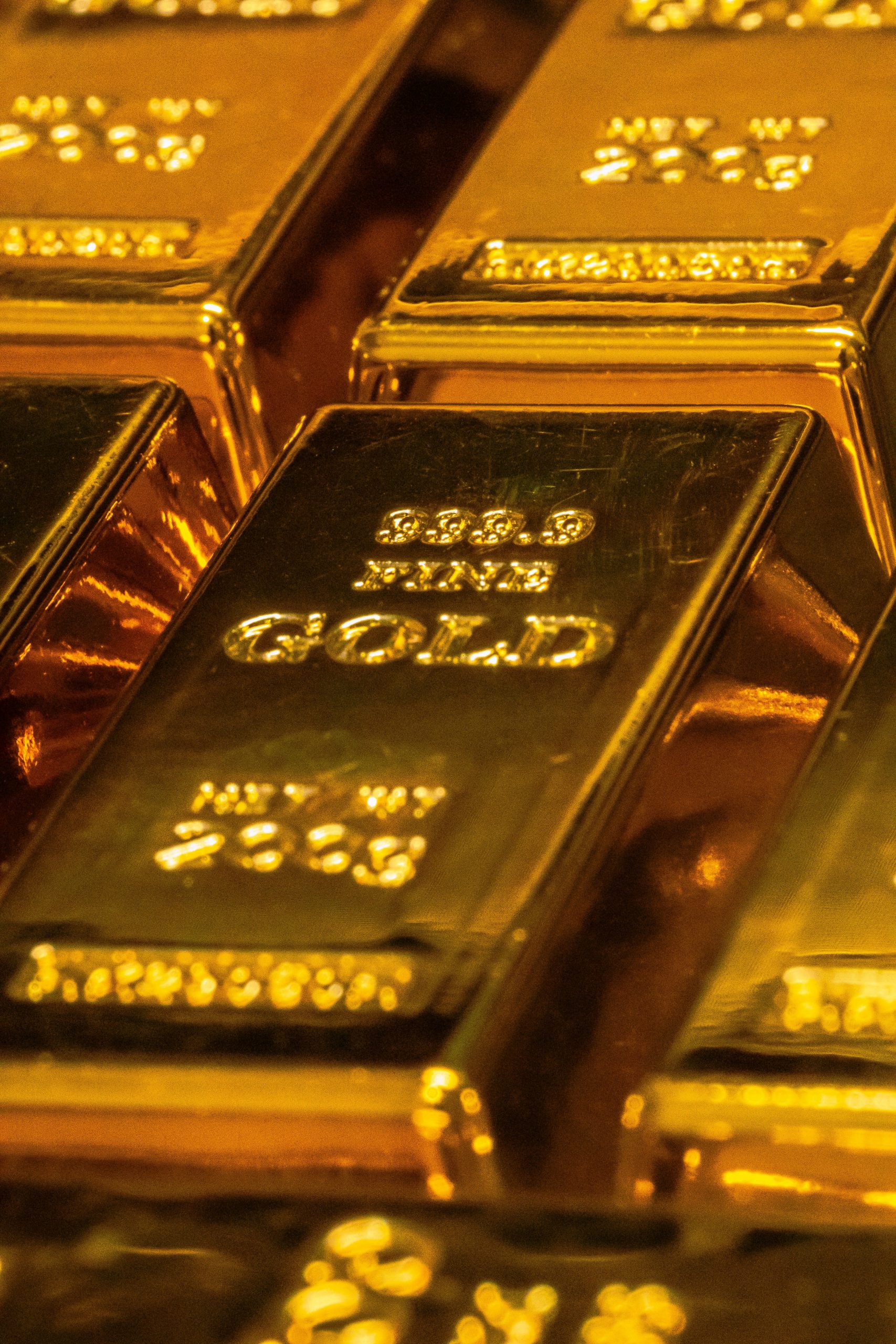

In times of economic uncertainty, investors often seek assets that can preserve value and provide a sense of security. Among these, gold has stood out for centuries as a reliable safe haven. From financial crises to geopolitical tensions, gold has consistently demonstrated its ability to retain wealth and hedge against risk. This article explores the reasons why gold continues to play a pivotal role in uncertain markets.
Historical Significance of Gold
Gold’s status as a safe haven is deeply rooted in history. For thousands of years, civilizations across the world have valued gold for its rarity, beauty, and durability. Unlike paper currencies, which can be printed in unlimited quantities, gold is finite. This scarcity has historically preserved its value, even during periods of hyperinflation or currency devaluation.
During the Great Depression of the 1930s, gold prices surged as investors sought a secure store of value amid collapsing financial systems. Similarly, in the 2008 global financial crisis, gold prices climbed sharply as trust in traditional banking systems wavered. These historical precedents illustrate that when other investments falter, gold tends to hold its ground.
Hedge Against Inflation
Inflation erodes the purchasing power of money, making everyday goods and services more expensive. Traditional currencies lose value over time if inflation outpaces interest rates or wage growth. Gold, on the other hand, has historically maintained its purchasing power during inflationary periods.
Central banks often turn to gold reserves as a safeguard against inflation. Unlike bonds or stocks, gold is not tied to any specific economy or interest rate. Its intrinsic value is recognized worldwide, making it an effective hedge when paper currency declines. For investors, adding gold to a diversified portfolio can provide a buffer against the erosive effects of inflation.
Diversification and Portfolio Protection
One of the core principles of investing is diversification—spreading assets across different classes to reduce overall risk. Gold is particularly effective for this purpose because it often behaves differently from stocks and bonds. When equities decline due to economic uncertainty, gold prices may rise, balancing losses in other areas of a portfolio.
For example, during periods of stock market volatility, gold has historically provided stability. Its low correlation with equities and fixed-income assets makes it a unique tool for portfolio protection. By allocating a portion of investment funds to gold, investors can reduce risk while maintaining the potential for returns in uncertain environments.
Safe Haven in Geopolitical Tensions
Global political tensions—such as wars, trade disputes, and diplomatic conflicts—can create market instability. During such times, investors often flock to assets that are universally recognized as safe. Gold, with its long-standing reputation and universal acceptance, fulfills this role effectively.
For instance, during the 1970s oil crisis and subsequent geopolitical tensions, gold prices soared as investors sought refuge from market uncertainty. In more recent conflicts, including regional wars and tensions between major powers, gold has again acted as a reliable haven, offering protection against market shocks that stem from geopolitical instability.
Central Bank Policies and Gold Demand
Central banks around the world maintain gold reserves to stabilize their national currencies and financial systems. These reserves act as a form of insurance against economic instability or currency depreciation. When central banks increase their gold holdings, it signals confidence in gold as a store of value, which in turn influences global demand.
Moreover, central bank policies, such as low interest rates and quantitative easing, can impact gold prices. When real interest rates are low or negative, holding cash becomes less attractive, making gold a more appealing option. This dynamic reinforces gold’s status as a safe haven, especially in uncertain economic environments.
Tangible Asset with Intrinsic Value
Unlike digital or paper assets, gold is a tangible commodity with intrinsic value. Its physical properties—durability, malleability, and resistance to corrosion—make it suitable for jewelry, electronics, and industrial applications. This inherent value contributes to investor confidence, as gold cannot be created at will like fiat currency.
In times of market turmoil, the tangible nature of gold provides psychological reassurance. Investors know that they hold a physical asset with universal recognition and historical significance. This perception of security adds to gold’s appeal during uncertain times.
Accessibility for Individual Investors
Gold is not just for institutional investors or central banks. Individual investors can easily access gold through various forms, including physical bullion, coins, exchange-traded funds (ETFs), and gold mutual funds. This accessibility allows people from different economic backgrounds to include gold in their investment strategies, further enhancing its role as a safe haven.
The flexibility of gold investment also allows individuals to tailor their exposure based on risk tolerance and financial goals. For instance, some may prefer physical gold for direct ownership, while others may invest in gold ETFs for liquidity and ease of trading. This versatility ensures that gold remains a viable option for a wide range of investors during uncertain times.
Long-Term Preservation of Wealth
One of gold’s most enduring qualities is its ability to preserve wealth over the long term. While short-term price fluctuations are common, gold tends to retain value across decades and even centuries. Unlike speculative assets, which can experience dramatic swings in value, gold’s long-term stability provides reassurance to investors seeking to safeguard wealth for future generations.
This preservation of wealth is particularly important during periods of systemic risk, such as financial collapses or severe economic crises. Gold’s consistent demand across cultures and economies ensures that it remains a trusted medium for storing and transferring wealth over time.
Conclusion
Gold’s enduring appeal as a safe haven stems from a combination of historical precedent, intrinsic value, and market behavior. In uncertain markets, it acts as a hedge against inflation, geopolitical risk, and financial instability, while providing diversification benefits and long-term wealth preservation.
