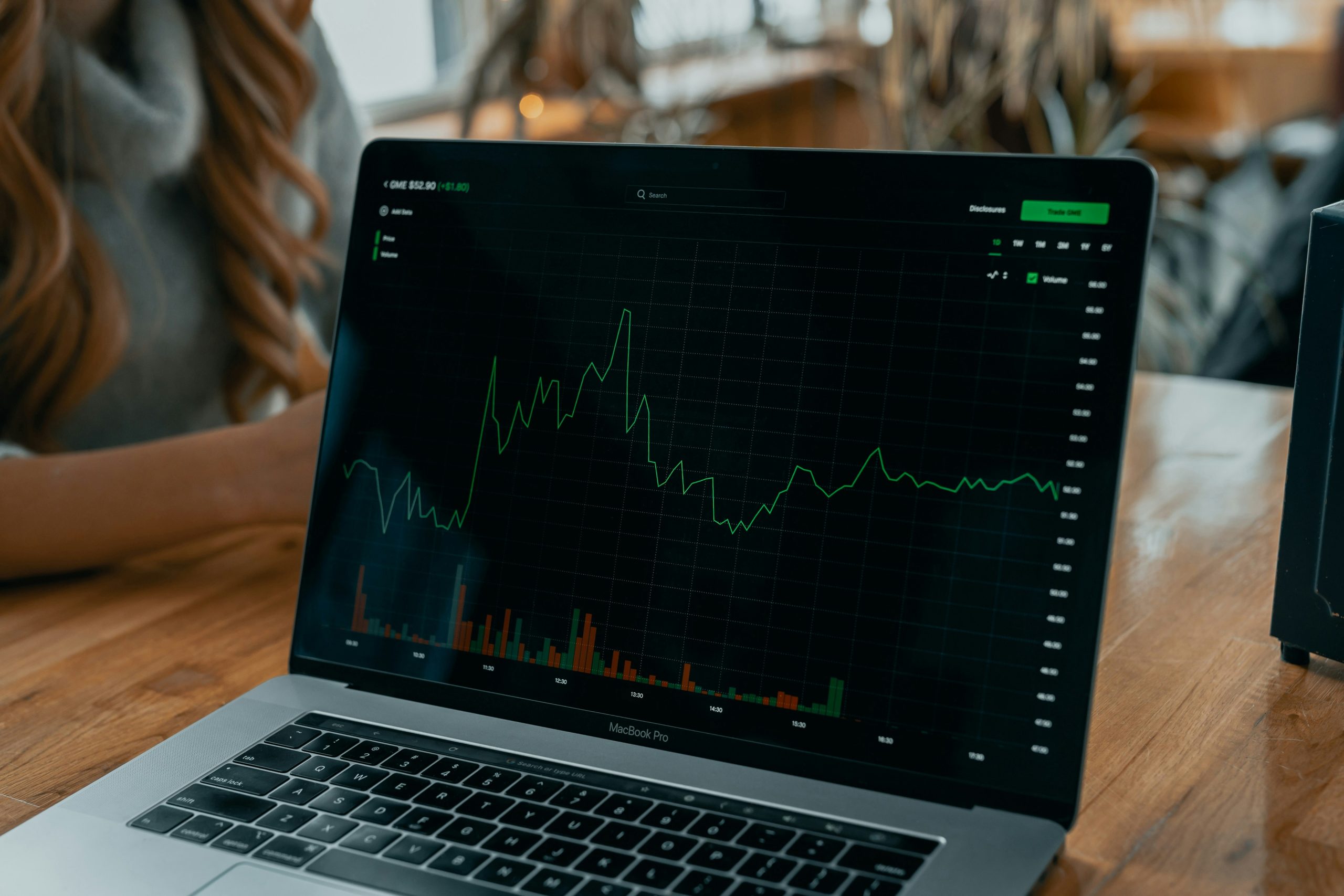

The foreign exchange (Forex) market is the largest financial market in the world, with a daily trading volume exceeding $6 trillion. Unlike stock markets that operate within fixed hours, the Forex market runs 24 hours a day, five days a week, connecting banks, corporations, governments, and individual traders globally. Its global nature makes it highly sensitive to economic events around the world. Understanding how global economic events affect Forex markets is essential for traders, investors, and policymakers. This article explores the intricate relationship between major global economic events and currency fluctuations, offering insights into how traders can navigate this dynamic market.
Understanding Forex Markets
Before diving into the impact of economic events, it is essential to understand how Forex markets function. Forex trading involves buying one currency while simultaneously selling another, typically quoted in pairs, such as EUR/USD (Euro/US Dollar) or GBP/JPY (British Pound/Japanese Yen). The exchange rate of these pairs is influenced by supply and demand, which in turn depends on various factors, including economic data, interest rates, political stability, and market sentiment.
Traders use fundamental and technical analysis to anticipate movements in currency values. Fundamental analysis focuses on economic indicators, central bank policies, geopolitical events, and financial news, while technical analysis relies on historical price movements and patterns. Among these, global economic events often serve as powerful catalysts for sharp currency swings.
Key Global Economic Events Affecting Forex
1. Central Bank Decisions
Central banks, such as the U.S. Federal Reserve, the European Central Bank, and the Bank of Japan, play a pivotal role in currency valuation. Interest rate decisions, monetary stimulus programs, and quantitative easing initiatives directly influence Forex markets.
For instance, when a central bank raises interest rates, it attracts foreign investors seeking higher returns, increasing demand for that currency. Conversely, a rate cut can weaken a currency as investors seek better yields elsewhere. Major announcements often trigger volatility in Forex markets within seconds of release, creating opportunities and risks for traders.
2. Economic Data Releases
Economic indicators are statistical measures that reflect a country’s economic health. Key data points include Gross Domestic Product (GDP), unemployment rates, inflation, retail sales, and manufacturing output. Positive economic data usually strengthens a country’s currency, while negative data can trigger depreciation.
For example, if U.S. non-farm payrolls exceed expectations, it signals strong economic growth, often leading to a rise in the U.S. dollar. On the other hand, disappointing figures may prompt traders to sell dollars in favor of other currencies. Forex traders closely monitor economic calendars to anticipate these impacts and adjust their strategies accordingly.
3. Geopolitical Events
Political events, such as elections, trade negotiations, and geopolitical conflicts, significantly influence Forex markets. Political uncertainty often leads to risk aversion, causing investors to flock to safe-haven currencies like the Swiss franc, Japanese yen, and U.S. dollar.
A notable example is the U.K.’s Brexit referendum in 2016. The unexpected vote to leave the European Union caused a sharp depreciation of the British pound against most major currencies. Such events demonstrate how political developments can create both short-term volatility and long-term trends in Forex markets.
4. Natural Disasters and Global Crises
Natural disasters, pandemics, and other global crises can have profound effects on currency values. These events disrupt trade, production, and investor confidence, often triggering sharp currency fluctuations.
The COVID-19 pandemic, for instance, caused unprecedented volatility in Forex markets as countries implemented lockdowns and central banks introduced emergency measures. Investors shifted towards stable currencies and assets, highlighting the importance of risk management in times of global uncertainty.
5. Trade and Tariff Policies
Global trade policies, tariffs, and international agreements also impact Forex markets. Countries heavily reliant on exports or imports are particularly sensitive to changes in trade policies.
For example, escalating trade tensions between the U.S. and China in recent years led to significant fluctuations in the Chinese yuan and the U.S. dollar. Traders and investors often react to news of tariffs, trade negotiations, or sanctions, making these events crucial for Forex market analysis.
Strategies to Navigate Forex Market Volatility
Given the sensitivity of Forex markets to global economic events, traders need robust strategies to navigate volatility. Here are a few approaches:
-
Stay Informed: Monitor global news, economic calendars, and central bank announcements. Being aware of upcoming events helps traders anticipate potential market movements.
-
Use Risk Management Tools: Stop-loss orders, position sizing, and diversification reduce potential losses during volatile periods.
-
Focus on Safe-Haven Currencies: During periods of uncertainty, investing in currencies like the USD, JPY, or CHF can provide relative stability.
-
Adopt a Long-Term Perspective: While short-term volatility can be profitable, long-term trends often reflect the fundamental impact of economic events on currencies.
-
Combine Technical and Fundamental Analysis: Using both approaches allows traders to make informed decisions based on data-driven insights and historical trends.
Conclusion
The Forex market’s global nature means it is constantly influenced by economic events around the world. Central bank decisions, economic data releases, geopolitical developments, natural disasters, and trade policies all play a significant role in shaping currency values. For traders, understanding the impact of these events is crucial for making informed decisions and managing risk effectively.
By staying informed, employing robust risk management strategies, and combining technical and fundamental analysis, Forex traders can navigate the dynamic market environment and capitalize on opportunities created by global economic events. In an interconnected world where economic news spreads instantly, awareness and preparedness are the keys to Forex trading success.
